








Viburnum davidii 'ANGUSTIFOLIA' David viburnum


 Symbivit Tric (arbuscular)
 Symbivit (arbuscular)
Viburnum
The genus Viburnum includes around 150 species distributed across the temperate regions of the Northern Hemisphere, from eastern Asia through the Caucasus and Europe to North and South America. Botanically, it is an exceptionally diverse group: it comprises both deciduous and evergreen shrubs, species with strongly fragrant flowers as well as those with only a faint scent or none at all, and others grown primarily for their (inedible) fruit. This diversity is reflected in common horticultural practice and several informal groups � the fragrant winter viburnums (V. farreri and V. � bodnantense), the fruiting viburnums (V. opulus, V. trilobum), the evergreen Asian viburnums (V. davidii, V. tinus, V. cinnamomifolium), the large-leaved ornamental viburnums (V. plicatum, V. japonicum), and many more, including hybrids that combine traits from several groups. The genus has been known since antiquity, and its Latin name Viburnum appears in the works of Roman authors around the turn of the era, such as Virgil and Pliny the Elder.
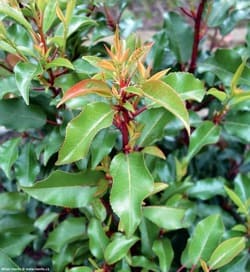
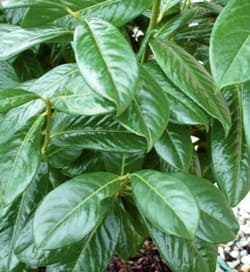
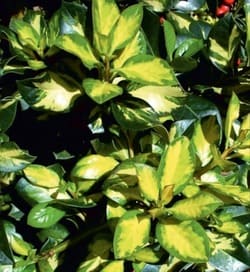
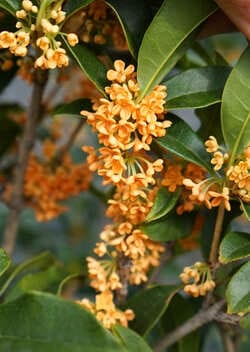
Angustifolia is a botanical term used for plants that have narrow leaves. In case of this variety of David viburnum the leaves are about 50% narrower but darker green compared to the species. They are evergreen, partly glossy, elliptic, and have 3 prominent, deep veins, which give this shrub an additional 3D image. The stalks, young twigs, and flower buds are rich carmine red or fresh burgundy red, especially in autumn and winter. Insignificant, small, white flowers open in early spring in C.E. conditions or in autumn in milder climates, but are not the key feature. When pollinated they produce deep sky blue fruits ripening in the autumn.
Angustifolia David viburnum has smaller leaves but surprisingly gets a little taller and its overall size lies between the David viburnum species and cinnamon-leaved viburnum. Use it as a small specimen plant in a small front yard, or in combination with other evergreen plants in a border, or as an evergreen companion of standard trees.
Last update 15-10-2012
David viburnum requires fertile, evenly moist but well-drained, preferably acid soil in part shade. This variety proved hardier than the species and survives short spells of about -25�C without significant damage if placed in part shade.