










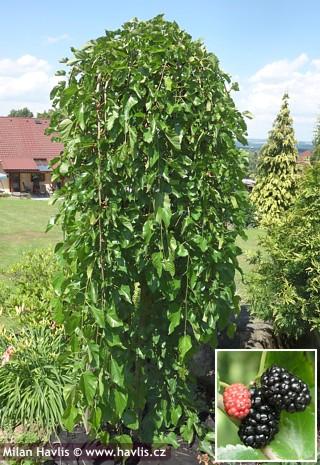
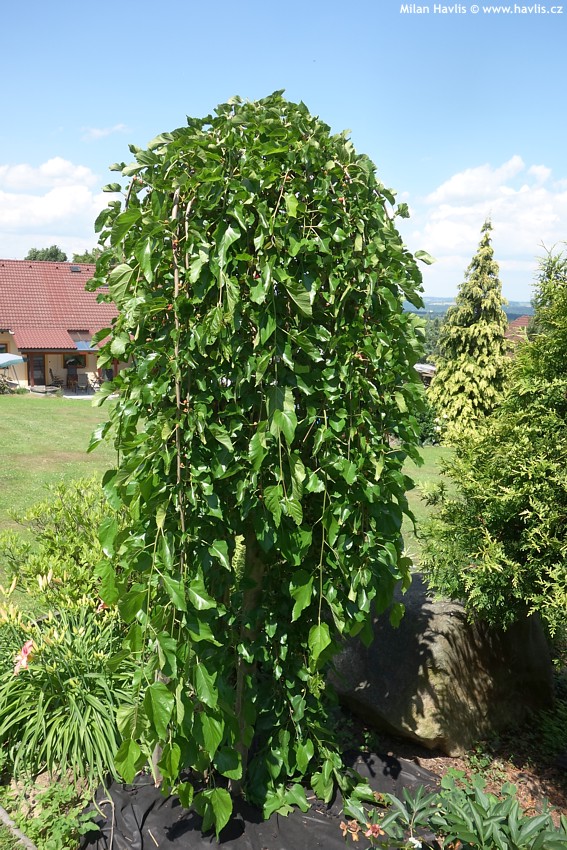
Morus alba 'PENDULA' weeping white mulberry

 Symbivit Tric (arbuscular)
 Symbivit (arbuscular)
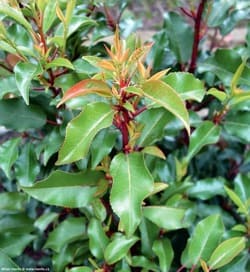
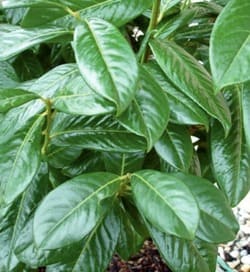
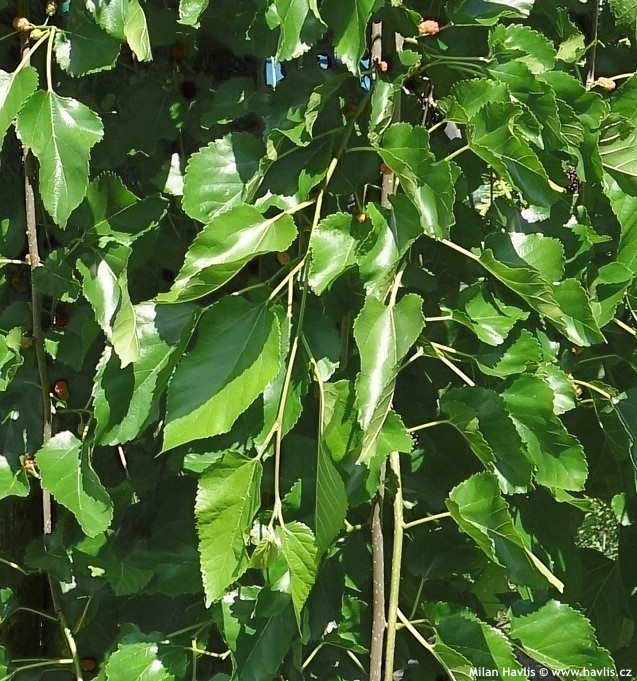
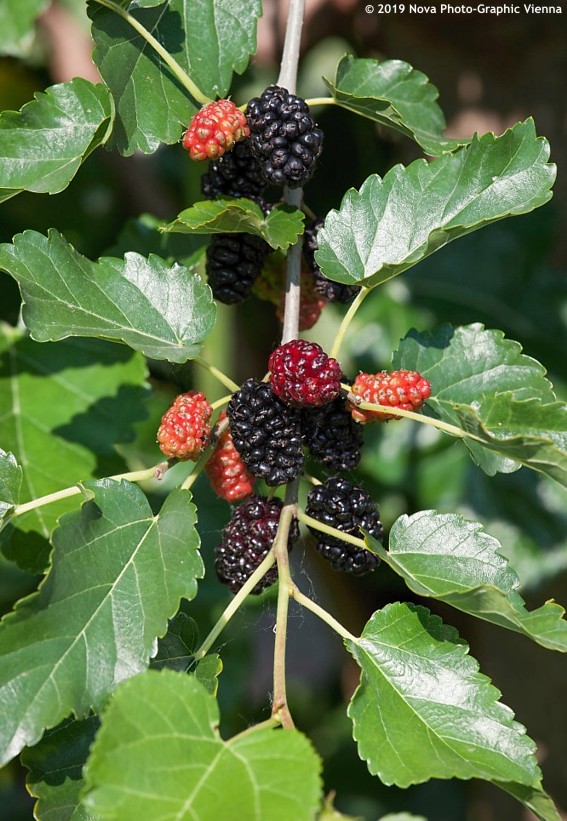
White mulberry and its Pendula variety is one of the top popular weeping trees. No wonder – apart from its beauty it offers tasty fruit. Moreover its small size makes it an ideal specimen tree even for small gardens. Its deciduous leaves are heart-shaped, toothed at margins, up to 15 cm long, deep green and glossy, changing to yellow in autumn. Mulberry belongs to the same family as fig tree and has some of its genes. This is why some of the foliage is transformed to deeply lobed just like those on fig trees.
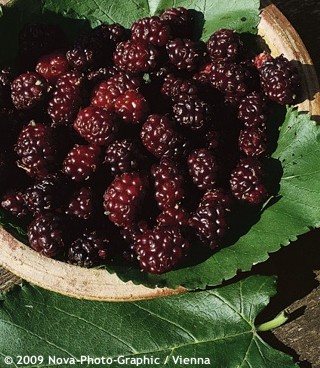
The fruit ripens from midsummer. It is oval to oblong, 2-3 cm long, black and easy to pick when fully mature. Some growers lay a sheet beneath the tree so that the ripe fruit falls down on it and they can easily pick it up clean. It cannot be stored and must be eaten or processed immediately. Fresh fruit has a pleasant, sweet taste with a light acidic flavour. It is best eaten fresh or used in desserts, but can be canned or made into preserves, too. Dried fruit has a more pronounced taste and can replace raisins. Mulberry is self-fertile = it does not need a pollinator.
Last update 27-03-2013
White mulberry is perfectly hardy in Europe and should be cultivated in sunny. Grow it in any well-drained soil, constant moisture will guarantee healthier foliage. Heavy clay and water-logged soil may result in root-rot and death of the plant. It makes weeping branches that are fast growing if you prune them hard. Any pruning is best done in late autumn or midwinter to prevent it from bleeding. Hardy to about -34�C (USDA zone 4).