










Allium 'MILLENIUM' ornamental onion

 Symbivit Tric (arbuscular)
 Symbivit (arbuscular)
Allium
Ornamental onion is an attractive bulbous perennial commonly found all around mountainous regions of northern hemisphere. Most sought-after varieties are those with huge globular inflorescence in mid spring, yet there are others that bloom in the middle of summer offering handsome foliage all season round.
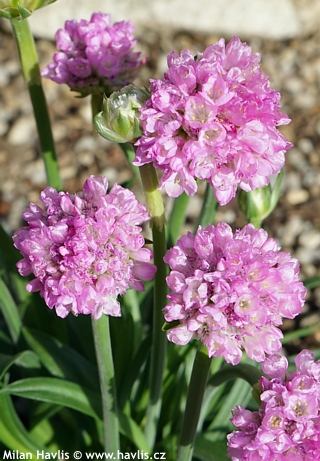
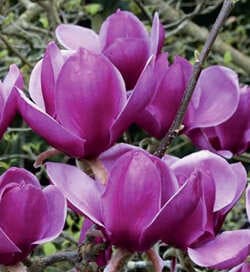
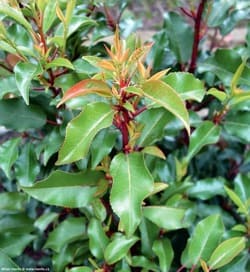
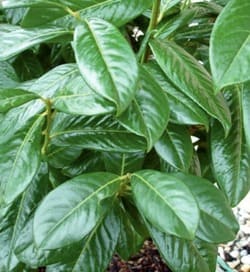
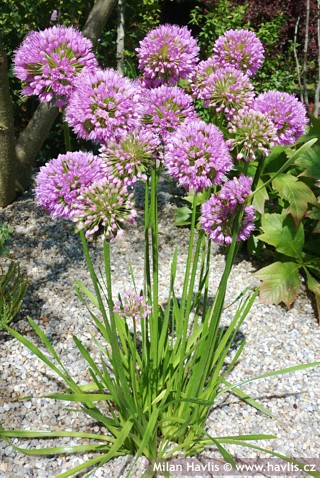
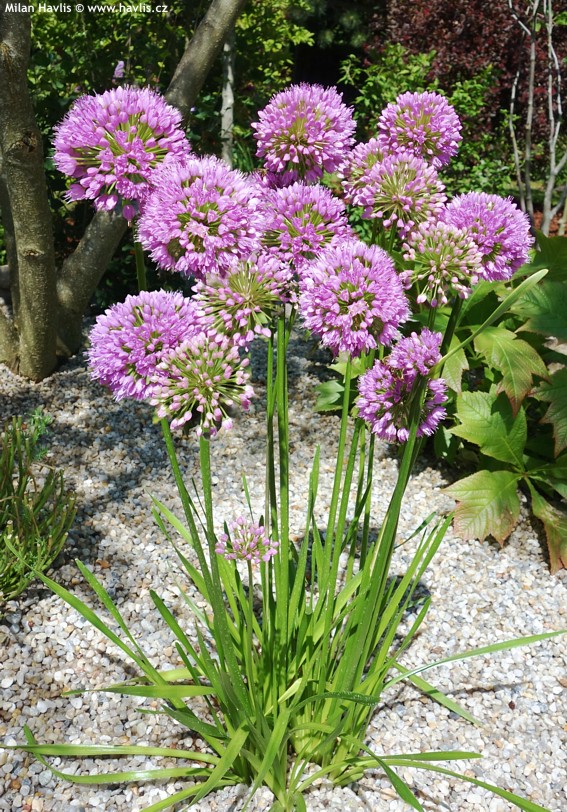
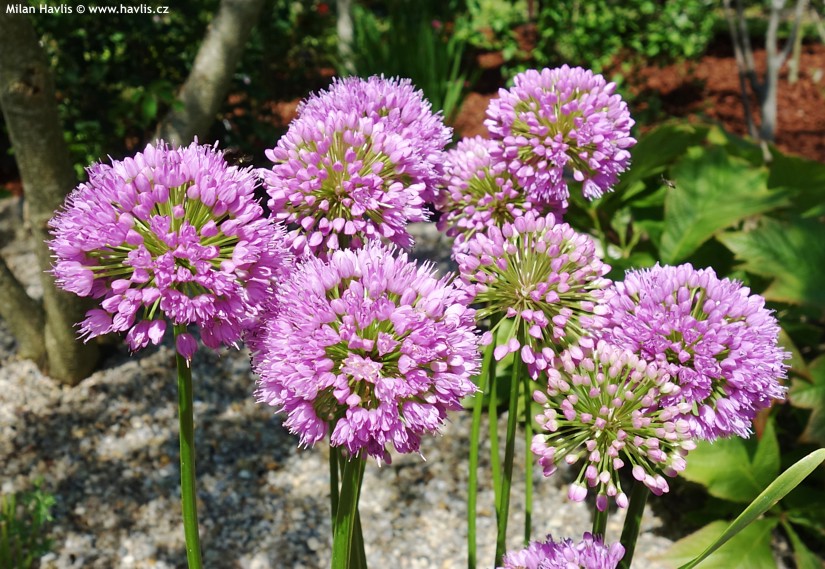
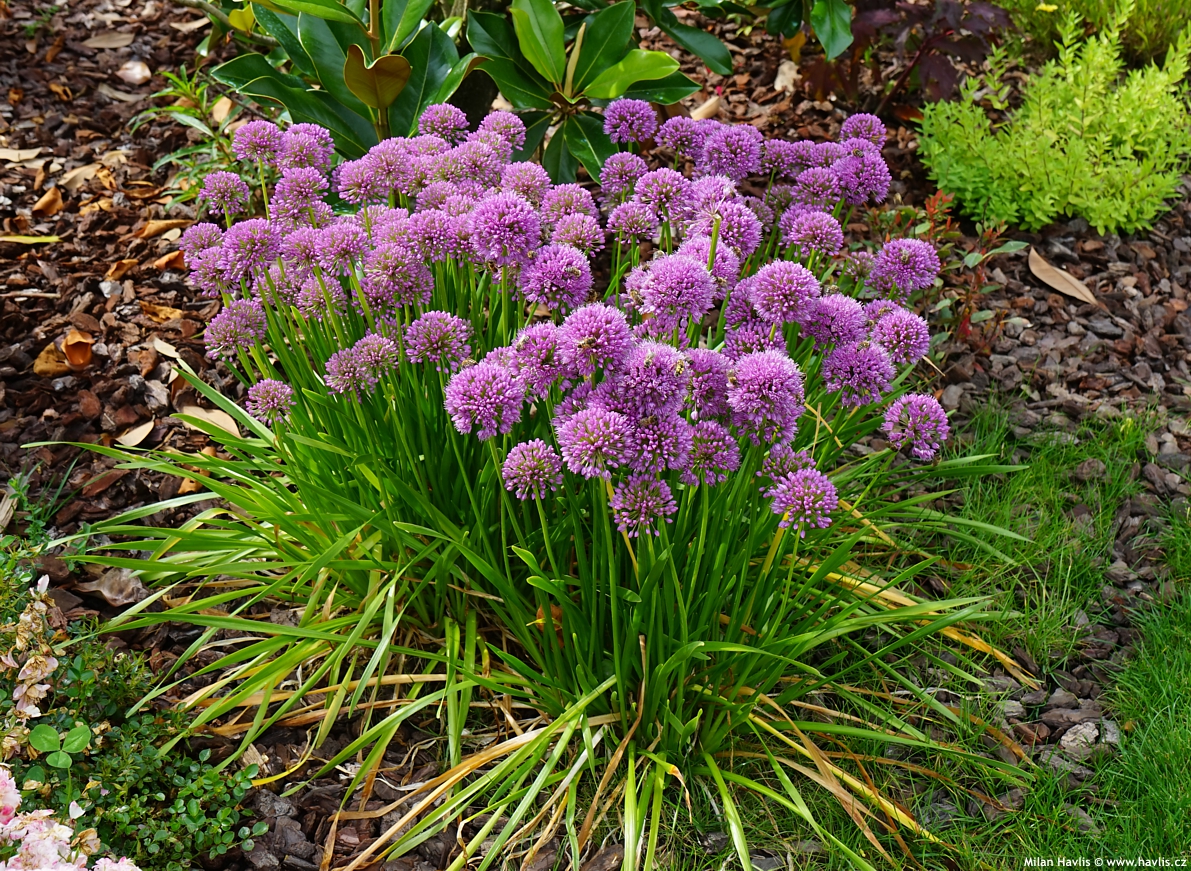
Millenium is a beautiful variety of ornamental onion with about 30 cm tall, strong stems atop which appear 4-5 cm wide flower heads composed of numerous rich lilac pink, slightly fragrant flowers. They open from early July and continue blooming for about 4-6 weeks, sometimes there are belated flowers on shorter stems extending the flowering period until early September. Leaves are narrowly linear, rich green, and glossy.
It was bred by a famous onion breeder and enthusiast Mark McDonough from Massachusetts, USA, who has involved himself in searching for, collecting, and breeding ornamental onions from all over the world since 1970�s. Even though his list includes some of the world�s top onion bestsellers, he does not rest on his laurels and keeps on searching and breeding in order to achieve a plant with crimson red and yellow flowers.
Last update 21-08-2017
Large-flowered ornamental onions need very well-drained soil or sand-based loam, and location in full sun. Avoid soils that remain wet especially when the plant is dormant. Should you have no other choice dig up the plant in midsummer, and plant it in a pot that is kept away from excess rain until early spring when it can be transplanted to the ground again, now with new roots that developed in the pot during dormancy. The bulb should be at least 5 cm or better 10 cm below the ground level. The stems are strong enough to withstand common weather caprices, however, open and exposed locations (windy seaside, large open fields, smooth mountain slopes etc.) are not recommended. In spite of the garlic/onion smell no part of the plant is edible. Hardy to about. -34�C (USDA zone 4).